

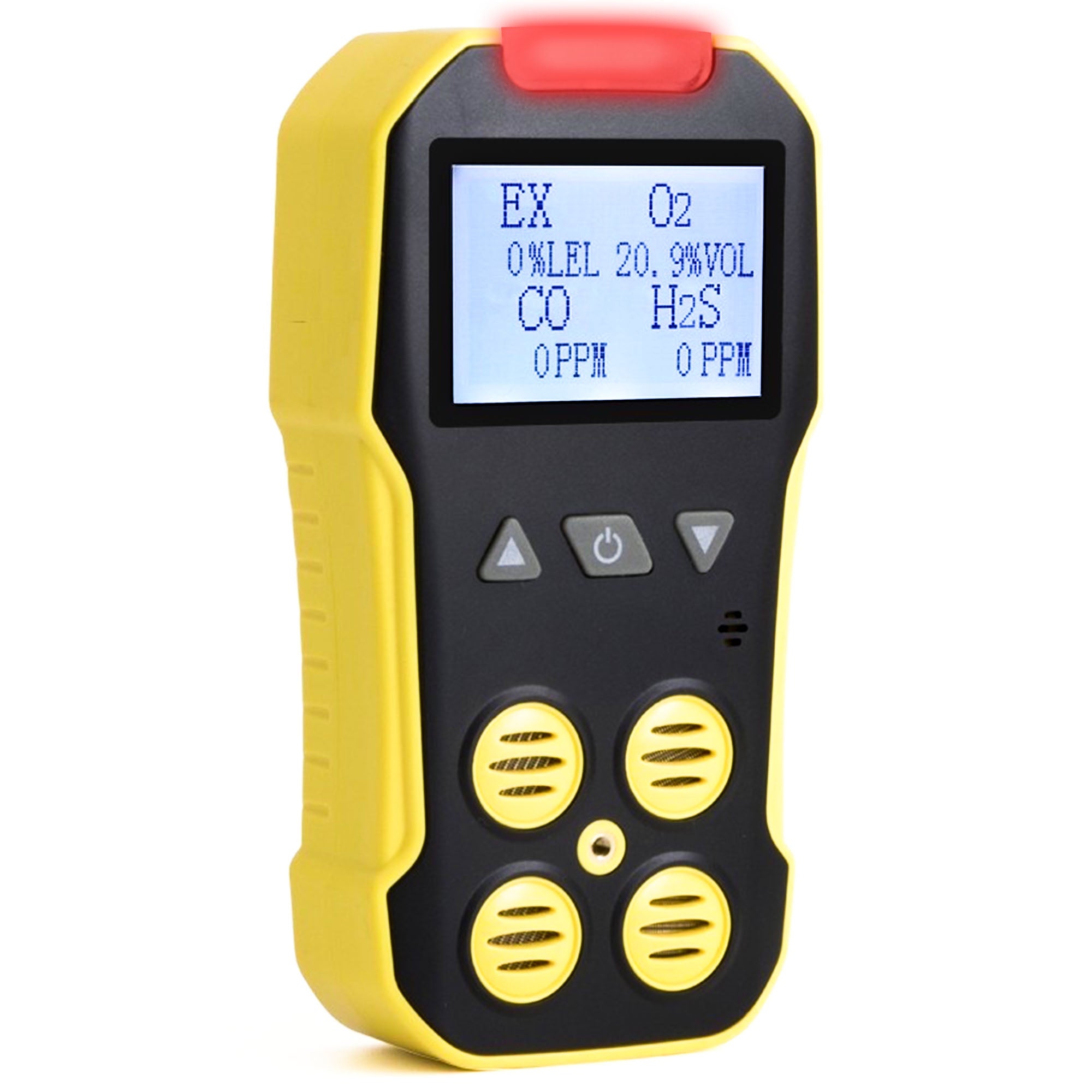
Workplace safety is one of the most indispensable priorities in Bodoni industrial trading operations. Many industries, including oil and gas, chemical substance manufacturing, minelaying, and wastewater handling, deal with dangerous gases on a basis. These gases can be nephrotoxic, combustible, or subject of displacing O, creating life-threatening conditions for workers. The most precarious aspect is that gas leaks are often ultraviolet and odourless, qualification them super intractable to find without specialised equipment. Even a moderate undiscovered leak can quickly turn into a serious accident, causation injuries, product losses, or environmental damage.
Traditional safety methods are no longer decent in nowadays s fast-paced heavy-duty environments. Companies need honest, continual monitoring solutions that can discover gas hazards instantaneously and supply early on warnings. This helps prevent accidents before they step up and ensures a safer workings environment for employees.
This is where gas detection systems designed for uttermost workplace refuge become requirement. These high-tech systems provide real-time monitoring, precise detection, and immediate alerts, ensuring that dangerous gas conditions are identified and controlled without delay.
Importance of Gas Detection in Workplace Safety
Industrial workplaces are often unclothed to a variety of gas-related risks. Without proper detection systems, these risks can go disregarded until they become dangerous.
Common Workplace Gas Hazards:
Toxic gas exposure such as carbon monoxide or hydrogen sulfide
Fire and explosion risks from flammable gases
Oxygen deficiency in restrained or ill louvered areas
Long-term wellness effects from perennial exposure to noxious gases
Gas detection systems play a crucial role in characteristic these hazards early on and preventing serious incidents.
How Modern Gas Detection Systems Work
Advanced gas detection systems use sensitive sensors and sophisticated monitoring engineering science to incessantly analyse air timber in real time. These systems are premeditated to detect even the smallest changes in gas .
Core Detection Technologies:
Electrochemical Sensors: Detect noxious gases with high precision
Infrared Sensors: Measure combustible material gases and carbon dioxide levels
Catalytic Sensors: Identify flammable gas concentrations
Photoionization Detectors(PID): Detect inconstant organic compounds(VOCs)
These technologies work together to insure complete and precise gas monitoring in industrial environments.
Key Features of Advanced Gas Detection Systems
Gas signal detection systems designed for utmost workplace safety come with sophisticated features that raise reliableness and performance.
Essential Features Include:
Continuous real-time monitoring of air quality
Instant dismay systems(audible, ocular, and vibration alerts)
Multi-gas signal detection capability
Wireless connectivity and remote control monitoring options
Data logging for safety analysis and reporting
Rugged and long-wearing design for harsh environments
These features ascertain that workplaces stay on battlemented at all times, even in extremum conditions.
Role of Gas Detection Systems in Workplace Protection
The primary feather purpose of gas detection systems is to keep accidents by identifying hazards before they step up. Early detection allows workers and refuge teams to take immediate litigate.
Workplace Protection Functions:
Early monition of gas leaks
Immediate alerts
Automatic energizing of refuge systems
Continuous monitoring of restrained spaces
Support for reply planning
This proactive approach significantly reduces the risk of workplace accidents.
Benefits of Maximum Safety Gas Detection Systems
Investing in advanced gas detection systems provides long-term refuge and work benefits for industries.
Key Benefits:
Enhanced Worker Safety: Protects employees from risky exposure
Accident Prevention: Detects gas leaks before they become dangerous
Regulatory Compliance: Helps meet workplace refuge standards
Operational Efficiency: Reduces caused by emergencies
Environmental Protection: Minimizes baneful gas emissions
These benefits make gas signal detection systems a essential part of industrial refuge substructure.
Applications in Industrial Workplaces
Gas signal detection systems are wide used across industries where air timber monitoring is indispensable for safety.
Common Applications Include:
Oil and gas exploration and refining
Chemical and petrochemical plants
Mining and tunneling operations
Manufacturing and processing facilities
Waste treatment and entrepot sites
In all these environments, persisting Gasdetektion für beengte Räume monitoring is requirement for safe operations.
Importance of Real-Time Monitoring
Real-time monitoring is one of the most remarkable features of Bodoni font gas signal detection systems. It ensures immediate awareness of insecure conditions.
Real-Time Monitoring Advantages:
Instant signal detection of dangerous gases
Faster emergency response
Remote monitoring of binary locations
Improved safety decision-making
Reduced risk of boastfully-scale incidents
This applied science helps industries stay equipped for any fulminant gas-related emergencies.
Choosing the Right Gas Detection System
Selecting the right system is requisite for achieving level bes workplace refuge. Different environments require different signal detection capabilities.
Key Factors to Consider:
Type of gases submit in the workplace
Sensitivity and accuracy of sensors
Environmental conditions such as temperature and humidity
System durability and sustenance requirements
Integration with present refuge systems
A decent chosen system of rules ensures honest and long-term tribute.
Conclusion
Workplace refuge in heavy-duty environments depends to a great extent on right and continuous gas monitoring. Without specific signal detection systems, workers and trading operations stay weak to serious risks caused by undetectable gas hazards.
Gas signal detection systems premeditated for utmost workplace safety cater a trusty and operational root by offering real-time monitoring, moment alerts, and sophisticated safety features. By investing in these systems, industries can importantly improve safety standards, keep accidents, and make a procure workings for everyone.