

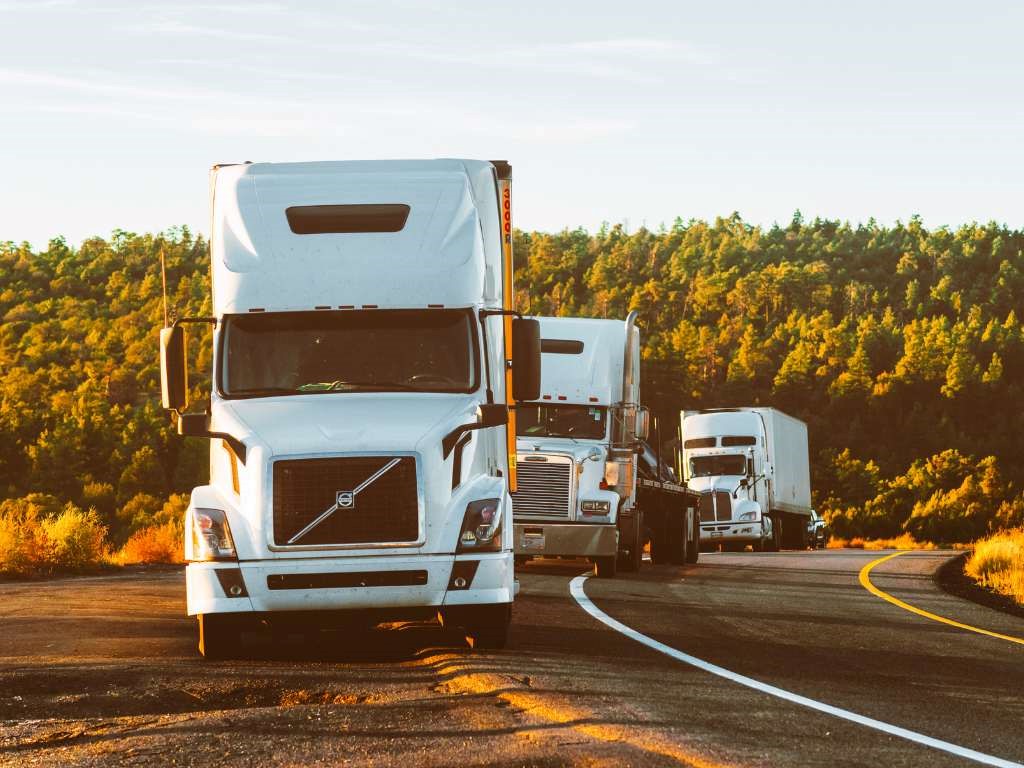
Freight forwarding plays an important role in the field of modern logistics. This process ensures not only the efficiency but also the safety of the process of transporting goods from the point of departure to the point of destination.
Forwarding is not just cargo transportation; it is a complex service that includes planning, organization, support, and control of delivery. Unlike simple delivery, forwarding involves deeper interaction with the cargo and care for its safety and timely delivery.
A freight forwarder can be any legal entity or individual who professionally transports goods from the sender to the recipient.
Essential Roles of a Freight Forwarding Agent
Preparing Essential Transport Paperwork
Forwarding companies in Dubai take full responsibility for the careful preparation and execution of all necessary documentation required for the efficient and safe transportation of goods. This includes the execution of contracts for transportation, ensuring cargo insurance against possible risks, the preparation of customs papers, as well as other important documents required to comply with the law during the delivery process.
Choosing the Best Delivery Path
Based on the detailed characteristics of the cargo being transported, the required delivery times, and also taking into account the financial capabilities and preferences of the customer, forwarders professionally analyze all available options and select the most effective and optimal route and delivery method.
Freight Management and Supervision
Throughout the entire transportation process, logistics specialists carefully monitor the movement of goods, provide timely information to customers about all key stages of transportation, and promptly and effectively resolve any problems that arise during the delivery process.
Customer Support and Coordination
Logistics agents and air freight service maintain continuous communication with customers at all times, actively providing them with the most up-to-date and accurate information on the current location of the cargo, carefully coordinating any additional requirements that arise, as well as effectively and promptly resolving any possible questions and problems that may arise during delivery.
The professionalism of the forwarder guarantees safety, efficiency and accuracy of delivery times of goods, which is incredibly important for successful functioning in this field.
Freight Forwarding Methods
There are several main types of freight forwarding, each of which has its own characteristics, advantages and disadvantages.
Automobile forwarding is the most flexible and affordable type, suitable for transporting goods over medium and short distances. It is especially relevant for urgent delivery or transportation of goods that require special storage conditions.
Rail freight forwarding is effective for transporting large volumes of cargo over long distances. Rail transportation is highly reliable and relatively inexpensive, but requires careful route and schedule planning.
Freight forwarding is an ideal option for international trade, especially when transporting large-sized cargo and containers. Sea freight is characterized by low cost compared to air transport but has longer delivery times.
Air freight forwarding is the fastest delivery method, especially relevant for the transportation of perishable goods, high-tech products and documents. However, it is also the most expensive type of transportation.
Multimodal forwarding is a combination of several types of transport for cargo delivery. This allows optimizing the logistics process by choosing the most efficient and cost-effective method of transportation at each stage of the route.
The choice of a specific type of forwarding depends on many factors, including the urgency of delivery, the type and size of the cargo, the cost of services and the safety requirements for transportation.
Effective management of this process requires a professional approach and deep knowledge in the field of logistics.
Target Audience for Rail Freight Forwarding
Business Sectors and Areas of Focus
Rail freight forwarding plays a key role for many companies actively involved in the mass production of various goods. This type of transportation is especially important for those enterprises whose products, due to their unique characteristics, require a particularly careful and thorough approach to the delivery process. We are talking about such goods as building materials, which can be extremely bulky and heavy, rolled metal, coal, as well as a wide range of other types of raw materials, each of which may impose specific requirements on transportation conditions.
Worldwide Trading Activities
For all those actively involved in international trade, railway forwarding is not just an important, but a key tool that allows not only to significantly optimize logistics costs, but also to significantly reduce the overall time required to deliver goods from the seller to the buyer.
Rail Freight Forwarding: Pros and Perks
Financial Advantages
Transporting goods by rail is often cheaper, especially when transporting over long distances and in large volumes.
Dependability and Security
Rail transport is less susceptible to the risk of road accidents, and cargo management and tracking systems ensure a high level of safety.
Environmental Impact
Compared to road transport, rail transport has a lower environmental impact, making it a preferred choice for environmentally conscious companies.
How to Pick the Best Rail Freight Forwarder
Criteria for Choosing
It is important to pay attention to the forwarder’s experience in rail transportation, its reputation, the availability of its own fleet of wagons and the ability to provide comprehensive logistics solutions.
Trusted Opinions and Reviews
Customer reviews and partner recommendations can greatly facilitate the process of choosing a reliable partner for rail freight forwarding.
What Affects the Pricing of Freight Forwarding
Determining the cost of a railway forwarding service largely depends on several key factors.
The first and one of the main ones is to determine the starting and ending points of the route. The distance between these points directly affects the total cost of transportation, since the greater the distance, the higher the transportation costs.
The next important aspect is the characteristics of the cargo. This means the type of cargo, its purpose, as well as physical parameters such as weight, quantity, volume and dimensions of cargo items. Different types of cargo require specific transportation and storage conditions, which can also affect the final cost of the service. For example, hazardous or flammable materials require additional safety measures, which increase the cost of transportation.
The estimated value of the cargo also plays an important role in calculating the cost of forwarding. This includes the costs of customs clearance and insurance. The cost of these services can vary significantly depending on the value of the cargo, its type and the requirements for its transportation. Customs clearance required for international transportation requires taking into account all the rules and regulations governing the export and import of goods, which also affects the final cost of the service.