

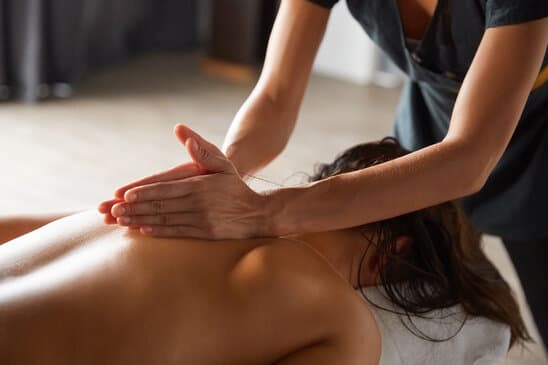
The popularity of massage therapy has grown into a widely sought-after way to promote relaxation, relieve stress, and boost health. These treatments feature a diverse array of methods and forms intended to address specific preferences, covering medical 송도출장 s targeting persistent discomfort to pampering sessions focused exclusively on maximizing relaxation. The rising awareness of massage therapy as a important part of holistic health has created a large range of services offered to clients, necessitating knowledge of what these treatments offer and how they can enhance physical and mental wellbeing.
At its heart, massage therapy involves the treatment of muscle tissues—including muscles, tendons, ligaments, and other connective tissues—through pressure, kneading, stroking, or other hand movements. This manual manipulation can aid relieve muscle tightness, boost circulation, and promote lymphatic drainage. The direct bodily effects often include decreased pain, greater suppleness, and improved range of motion, which are particularly valuable for individuals recovering from injuries or dealing with long-term health issues.
Beyond the tangible effects, massage services also are vital in psychological wellbeing by lowering cortisol levels while increasing levels of serotonin and dopamine. These changes can improve emotional state, ease anxious feelings, and help regulate sleep. For many clients, a massage is not just a comfort experience but a important aspect of handling daily pressures and achieving mental harmony. The soothing atmosphere, careful techniques, and personalized care create a sanctuary from daily pressures, allowing clients to unwind completely.
The range of methods is one of the main factors massage services can be tailored to suit various preferences and needs. Swedish massage, one of the most common forms, uses long, gliding strokes and light to moderate pressure to foster relaxation and ease muscle tension. Deep tissue massage, on the other hand, applies more intense pressure to target deeper layers of muscle and connective tissue, making it ideal for chronic pain or injury rehabilitation. Other specialized forms include athletic massage aimed at performance enhancement and quicker recovery and hot stone massage, which combines heat with pressure to soothe muscles and improve circulation.
In addition to these well-known methods, many spas and wellness centers now offer combined therapies including massage alongside aromatherapy, reflexology, and Reiki. These combined modalities focus not only on the physical body but also on mental and spiritual balance. An example is aromatherapy massage, which combines essential oils with massage techniques to enhance mood, reduce headaches, or aid respiratory health.
The skills and credentials of therapists are critical in ensuring safe and effective treatments. Licensed practitioners typically complete comprehensive training on the human body and massage practices. They assess each client’s individual needs, including any medical conditions or contraindications, before customizing a session. This personalized approach helps maximize the benefits of massage therapy while minimizing any risks.
In recent years, the convenience improved as mobile massage professionals now visit clients at home or work. This makes it easier for those with tight schedules or mobility issues to receive therapy without traveling. Additionally, many businesses now offer workplace massage programs to reduce employee stress and boost productivity.
Overall, massage services offer a variety of advantages far exceeding basic relaxation. Whether used as a method for managing pain, reducing stress, or enhancing holistic health, massage can significantly contribute to improving quality of life. With its varied methods and increasing acceptance by healthcare professionals, massage therapy remains a vital tool for body, mind, and emotional wellness.